As we age, it’s easy to assume stress, sexual wellness changes, low energy, and mood imbalances stem from daily life and busy schedules. While that can be the case, sometimes there’s a hidden cause many people overlook.
Your hormones play a role in almost everything you do. From sleep and energy levels to metabolism and mood, hormones help your body function at its best. If you struggle with certain changes to your mental, physical, or sexual wellness that don’t seem to be improving despite your efforts, you might want to consider HRT.
In Arlington, our providers at the Institute for Hormonal Balance use hormone replacement therapy (HRT) to help our patients feel confident and comfortable in their bodies.
Curious about the tell-tale signs of hormonal imbalance? Jump ahead to read about:
- What Is HRT?
- Common Signs of Hormone Imbalance
- How We Determine If HRT Is Right for You
- Types of HRT We Offer
What Is HRT?
HRT stands for hormone replacement therapy. For over 40 years, we’ve been helping patients uncover the root of their symptoms through balancing their hormones. Our practice, founded by an internationally recognized hormone specialist, Dr. Donovitz, supports patients as they age and change with advanced forms of HRT.
In Arlington, we can restore or optimize your hormone levels so you feel more energized and clear-headed day in and day out.
However, your hormones affect more than reproductive health; they also influence:
- Sleep
- Mood
- Weight
- Memory
- Energy
- Muscle strength
- Sexual health and libido
- Overall wellness
When the body isn’t producing the hormones it needs, patients often notice changes that affect their quality of life.
To support these natural fluctuations, our team uses a highly personalized approach, helping you feel heard and valued as we work towards solutions with meaningful benefits. If you are experiencing any of the following 6 signs of hormone imbalance, it may be time to consider HRT.

6 Common Signs of Hormone Imbalance
If you feel like your body is working against you, you’re not alone. Often, these symptoms are a part of natural aging, so let’s talk about them.
Sign 1: You Feel Tired No Matter How Much You Rest
Everyone feels tired from time to time, but when fatigue becomes part of your daily routine, it may point to something deeper.
Hormone changes can affect your:
- Energy
- Stamina
- Motivation
- Sleep quality
Hormone imbalances can manifest in ways such as feeling drained even after a full night of sleep or not having enough energy for daily tasks. If you feel as if you’re running on empty or always relying on caffeine to get you through the day, a hormone imbalance might be the culprit.
However, thyroid fluctuations, menopause, andropause, and other hormone shifts can all affect your energy. This means we thoroughly discuss your symptoms to create a plan that targets your symptoms and truly works for you.
Sign 2: You Struggle With Memory and Brain Fog
Brain fog can feel frustrating, especially when it starts affecting your work, conversations, or daily routine. You may have trouble recalling information or staying focused.
Many people blame brain fog on stress or poor sleep. And while these factors may play a role, hormone imbalance can also affect mental clarity.
Estrogen, testosterone, thyroid hormones, and other key hormones help support brain function and overall wellness. When these fall out of normal ranges, you might feel mentally fatigued or foggy.
You may notice:
- Trouble concentrating
- Forgetfulness
- Slower thinking
- Mental fatigue
- Difficulty staying productive
If your brain fog is ongoing or appears with other hormonal symptoms, consider speaking with our providers about HRT. We can test your hormone levels, thyroid function, and more to determine the root of your symptoms.
Sign 3: Your Mood Feels Harder to Manage
Hormones can affect how you feel emotionally. When levels shift, your mood may feel harder to predict or control.
Many patients connect moodiness and irritability to aging and stress. While these might be the case for some, hormone fluctuations can exacerbate certain feelings or emotions.
Hormone fluctuations can cause:
- Anxiety
- Sadness
- Lack of motivation
- Sudden irritation
- Moodiness
Whether you’ve been dealing with mood changes for some time or they came on suddenly, these disruptions can affect your work and productivity, friendships and relationships, daily routines, and overall self-confidence.
If you feel as if your mood is harder to control, you might be a candidate for HRT. In Arlington, we listen to your concerns and experiences with empathy to guide you towards balance.
Sign 4: Your Sexual Wellness and Libido Have Changed
We understand that changes in sexual health can be difficult to talk about, but they are common for every aging adult. Hormones play a major role in:
- Libido
- Arousal
- Intimate comfort
- Sexual performance
- Confidence
For women, hormone changes may affect sexual function and vaginal health. You might experience decreased desire, vaginal dryness, pain during intercourse, or urinary incontinence.
These concerns often occur during perimenopause or menopause, as the ovaries produce fewer reproductive hormones.
For men, low testosterone may affect libido, erections, stamina, muscle mass, and overall sex drive. Some men also notice decreased motivation, mood changes, or reduced confidence.
To address these concerns, we have conversations about your symptoms, check your hormone levels, and determine a care plan that suits your needs. Our specialists can support your overall well-being through HRT, helping you feel more confident in your body.

Sign 5: You’re Experiencing Hot Flashes and Night Sweats
Hot flashes and night sweats are two of the most recognizable signs of hormone changes. These symptoms can interrupt your sleep, affect your comfort, and leave you feeling worn down during the day.
Hot flashes and night sweats often occur during perimenopause and menopause, but hormone changes can affect men and women in different ways.
You may notice:
- Sudden warmth or flushing
- Sweating at night
- Poor sleep
These symptoms can feel discouraging, especially when you are already making healthy choices. Our providers may recommend HRT in Arlington to address hot flashes and night sweats to get you back on track.
Sign 6: You’re Gaining Weight Unexpectedly
Another common indicator of hormone changes is weight gain, especially around the midsection. This can happen to people even when their eating and exercise habits have not changed. Hormones help influence metabolism, muscle mass, sleep, appetite, and fat storage. When those signals shift, your body may respond differently than it used to.
You may be experiencing:
- Unexplained weight gain
- Changes in muscle tone
- Difficulty losing weight
If you have been gaining weight unexpectedly, it may be your hormones, and it may be time to talk to a professional about HRT.
How We Determine If HRT Is Right for You
Hormone symptoms can overlap with many other concerns, which is why we provide in-depth testing and have thorough conversations with each of our patients.
Fatigue, weight gain, mood changes, and low libido can happen because of hormone fluctuations, but they can also be caused by thyroid issues or other health factors.
Here’s how we determine what’s best for our patients.
Consultations and Labs
At the Institute for Hormonal Balance, we start by drawing labs to better understand your baseline hormone levels. We also discuss your symptoms, health history, lifestyle, and goals.
You receive an individualized consultation, during which your provider reviews your lab results and explains what they mean. From there, we can recommend treatment options.
HRT Management and Maintenance
If we decide HRT in Arlington meets your needs, we provide continuous monitoring and adjustments to your plan. This means, over time, we may try different forms of HRT, adjust dosages, or recommend other treatments.
Once you achieve hormone balance, we perform labs annually to check your levels and continue to provide the right kind of care for your health.
What Types of HRT Are Available?
Hormone replacement therapy looks different for every patient. Your provider may recommend a specific method based on your hormone levels, symptoms, lifestyle, and preferences.
Our HRT options include:
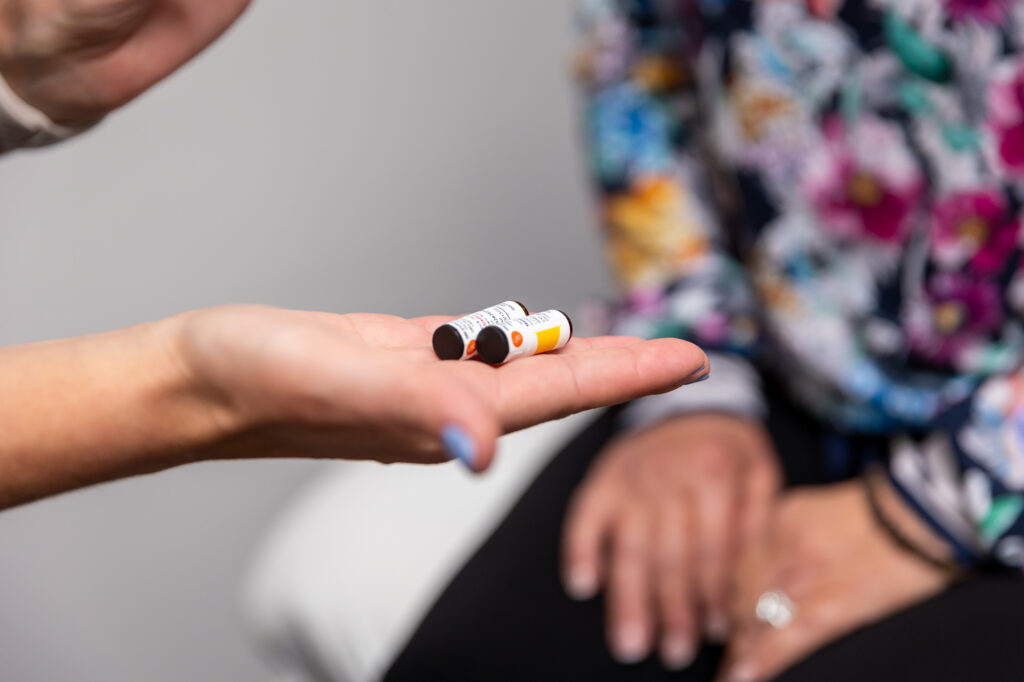
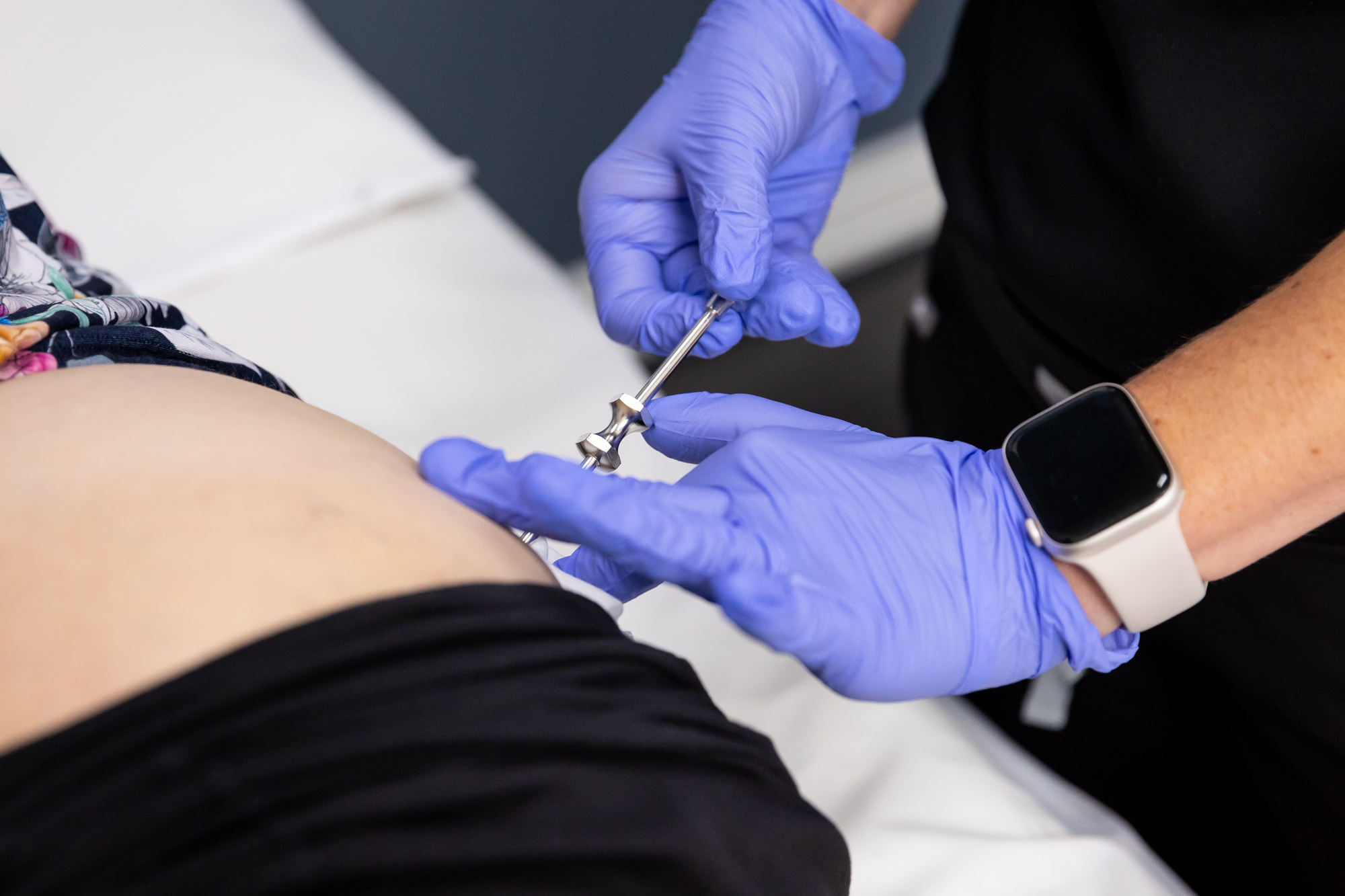
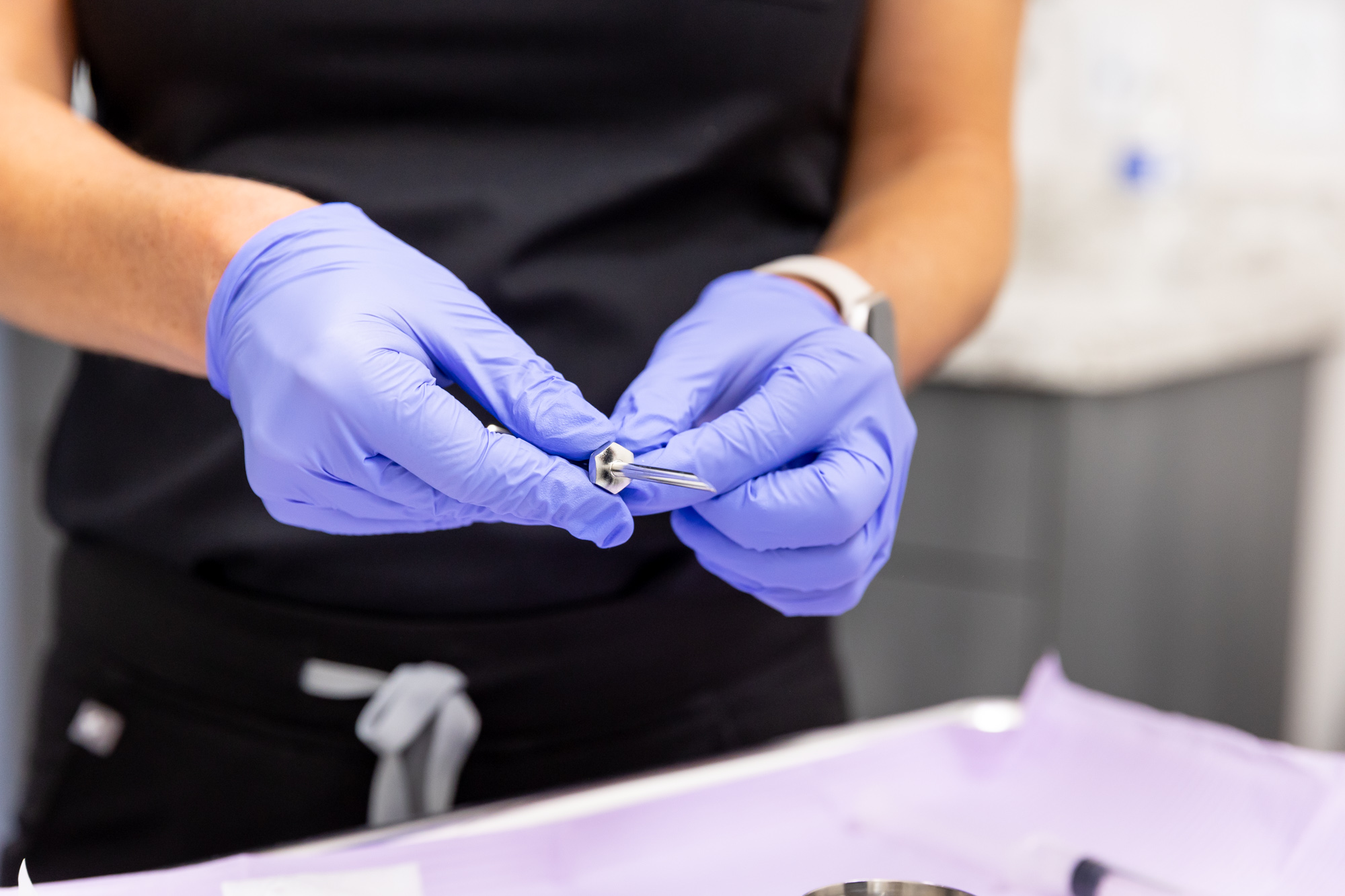
- Pellet therapy
- Topical creams
- Injections
- Oral supplements
Each option has its own benefits, and your provider can explain which approach may fit your needs best. Whether a more gradual release with pellet therapy is recommended or scheduled dosing with injections, our team provides personalized care for each patient.
Find Wellness Support With HRT
If you have been feeling tired, foggy, moody, or unlike yourself, you do not have to keep guessing what is going on.
Our team takes time to listen, review your labs, and create a plan that fits your health, goals, and lifestyle. With HRT in Arlington, our team helps you feel more like yourself, without the uncomfortable symptoms of hormone changes.
Schedule your appointment to start your journey.
Curious about other treatments complementary to HRT? Read our blog to explore treatment for low vitamin D, IV therapy, and more.